8:00AM - 6:00PM
Monday to Saturday

Monday to Saturday
+254 737 866 594
Mombasa, Kenya



Maritime headlines often center on fuel spreads, charter rates, and geopolitical choke points. Yet behind every successful voyage, cargo discharge, and Port State Control (PSC) inspection sits an irreplaceable asset: the ship’s crew.
Operating commercial tonnage requires navigating rigorous work-rest cycles, prolonged separation from families, and demanding sea transits. For vessel managers, charterers, and shipowners, investing in seafarer welfare is not simply an ethical obligation—it is a direct driver of operational safety, voyage predictability, and bottom-line risk mitigation.
The Maritime Labour Convention (MLC 2006)—frequently termed the “seafarers’ bill of rights”—sets binding international standards governing employment contracts, accommodation, recreational facilities, food and catering, and health protection.
During PSC inspections along global trading routes and regional littoral hubs, non-compliance with MLC standards is among the fastest triggers for vessel detention:
Treating MLC benchmarks as an operational priority rather than administrative red tape prevents costly detentions, off-hire penalties, and flag-state scrutiny.
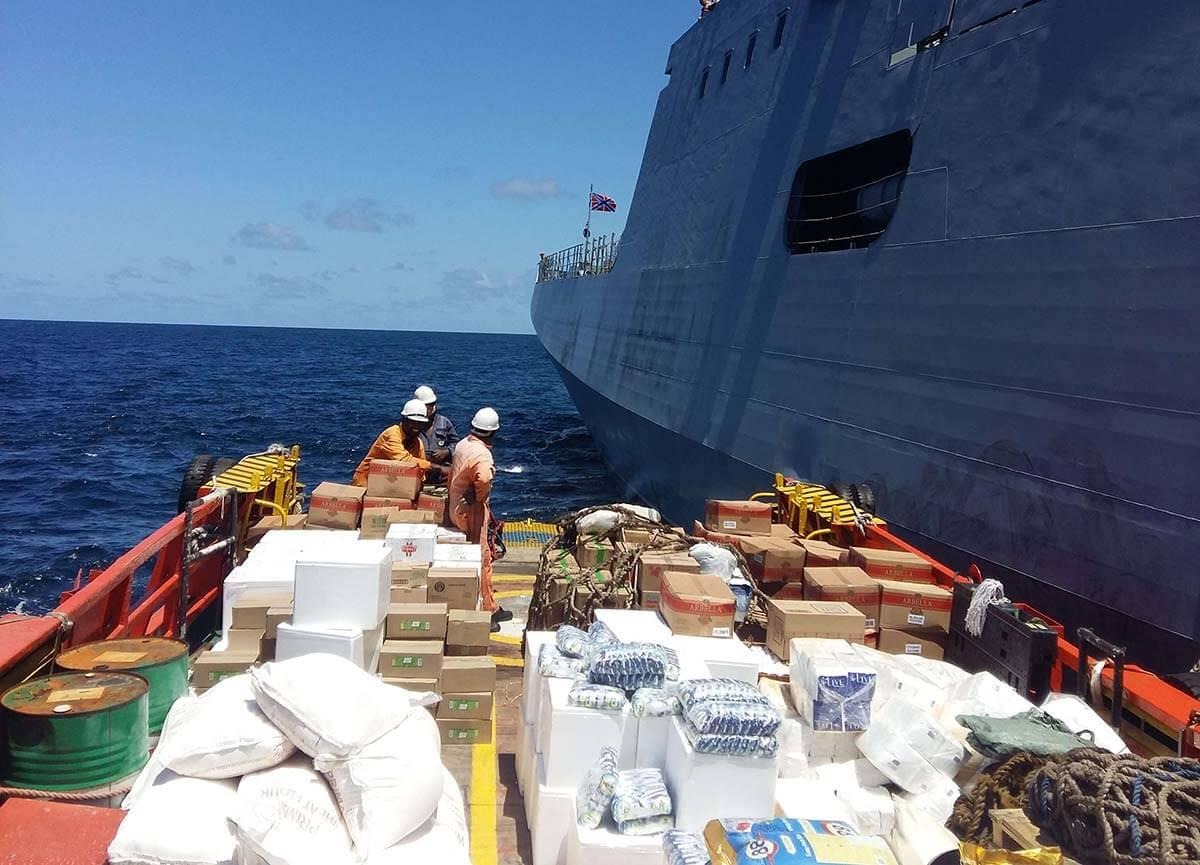
The galley is the heart of a vessel. Quality catering directly affects crew health, fatigue management, and day-to-day onboard morale.
High-Quality Provisions ➔ Improved Nutrition & Sleep ➔ Lower Fatigue ➔ Fewer Critical Human Errors
Effective ship supply requires a nuanced understanding of multinational crewing profiles:
A seafarer’s contract does not begin at the gangway—it begins the moment they leave home. Similarly, an off-signing mariner’s journey does not end until they step into their front door.
Operational breakdowns during crew rotations create immense stress:
Ensuring secure airport transfers, comfortable transit accommodations, and clear immigration processing ensures oncoming crew arrive alert and ready, while off-signers depart with dignity and confidence in their management.
High crew turnover is an expensive operational drag. Replacing skilled chief engineers, watchkeeping officers, and certified ratings involves substantial recruiting fees, repetitive flag-state licensing costs, and familiarity gaps on specialized machinery.
Companies that prioritize crew care consistently benefit from:
Protecting seafarer welfare demands local maritime partners who handle the human side of shipping with professionalism and urgency.
Pacific Work Force Services (PWFS) delivers end-to-end support across crew change logistics, port transit management, certified provisions, and onshore welfare. By ensuring your crew is properly manned, well-provisioned, and supported at every port call, PWFS helps keep your vessels safe, compliant, and moving forward.
Ongoing rerouting around the Cape of Good Hope and persistent security advisories across northern maritime…
Turnaround time is the ultimate metric in commercial shipping. Every excess hour a vessel sits…
At Pacific Work Force Services Limited, we operate within the strict requirements of the Employment Act, Labour Institutions Act, Work Injury Benefits Act (WIBA), and all relevant statutory and regulatory frameworks. Through robust internal systems, biometric attendance tracking, real-time supervision, and automated payroll processing, we deliver operational excellence, governance integrity, and workforce safety.
Read More