8:00AM - 6:00PM
Monday to Saturday

Monday to Saturday
+254 737 866 594
Mombasa, Kenya

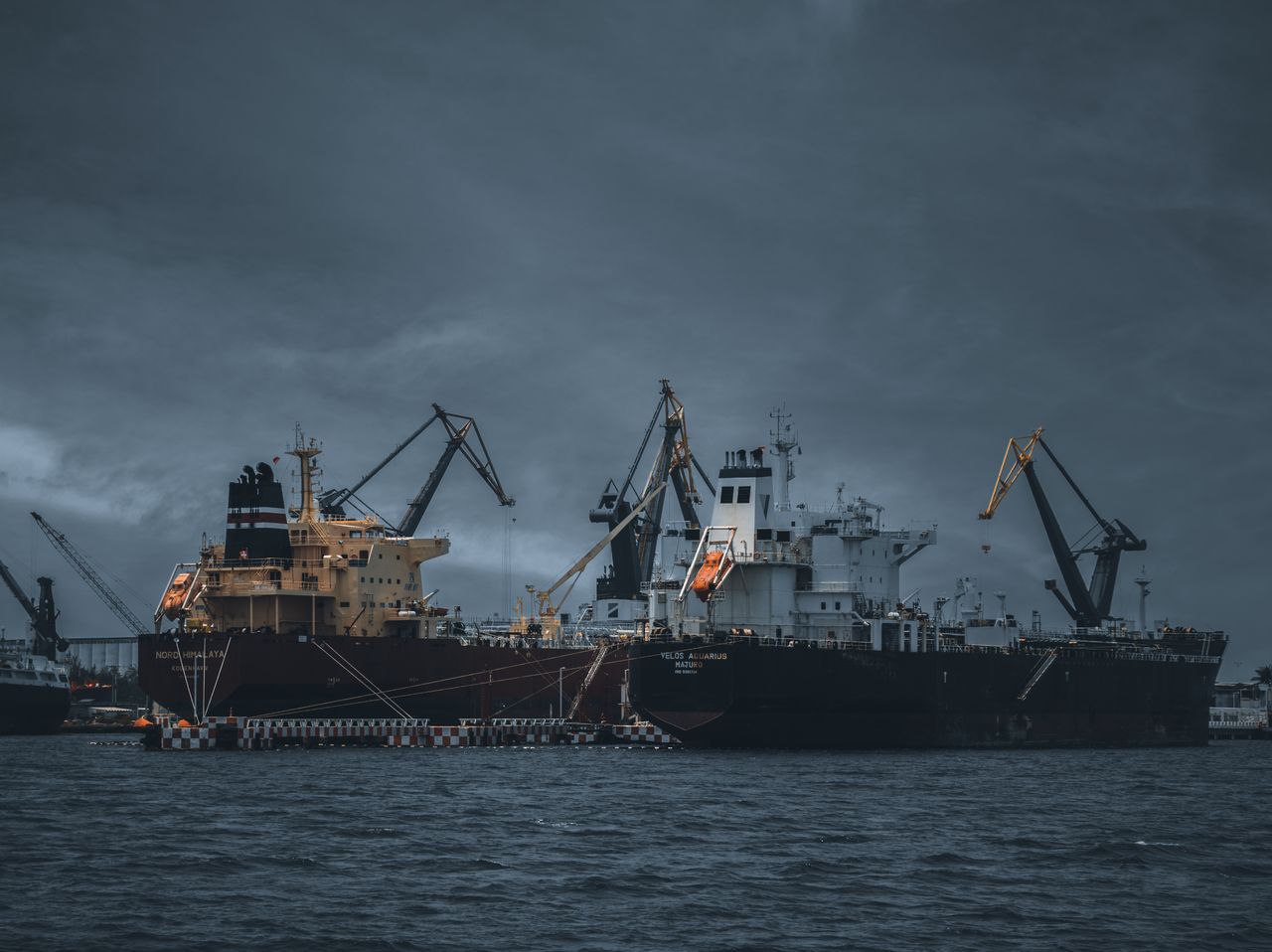

Ongoing rerouting around the Cape of Good Hope and persistent security advisories across northern maritime corridors have permanently altered voyage profiles in the Western Indian Ocean. Transits that once counted on swift passage through the Bab-el-Mandeb now face an additional 10 to 14 days at sea, placing unprecedented operational stress on shipboard inventories, crew endurance, and mechanical systems.
For commercial fleets calling at East African hubs—such as Mombasa, Dar es Salaam, and regional anchorages—ports along this littoral zone are no longer just routine cargo stops. They have become critical endurance staging grounds.
Navigating these elongated rotations requires superintendents and vessel masters to rethink provisioning and technical stores from reactive replenishment to strategic buffer management.
Rerouting cargo around Southern Africa carries operational penalties that ripple through every department on board:
When a vessel enters port limits along the East African coast, the operational window to replenish these buffers is narrow. Delayed deliveries or incomplete purchase orders directly jeopardize the next leg of the transit.
Meeting the demands of long transits is not merely a matter of ordering larger food volumes. Poorly graded fresh provisions spoil within days in humid tropical sea passages, creating sanitation hazards and hitting crew morale.
Strategic marine supply requires strict quality control at the source:
When a vessel operates thousands of nautical miles from its primary OEM technical support hubs, running out of routine maintenance consumables can escalate minor machinery anomalies into charter-breaking downtime.
A reliable regional chandler must operate with marine engineering fluency, stocking and swiftly dispatching:
| Category | High-Demand Consumables | Operational Risk Mitigated |
| Engine Room | Lube oil filters, gasket sheets, mechanical seals, packing | Main engine and genset auxiliary trip prevention |
| Water Treatment | Potable water testing kits, boiler chemicals, biocides | Compliance with MLC environmental health standards |
| Safety & Deck | IMPA-coded mooring tails, pilot ladders, PPE, lashing gear | Port State Control (PSC) detention prevention |
| Electrical | Marine-rated explosion-proof lamps, breakers, relays | Bridge navigation and cargo hold system reliability |
With heavy traffic compressing berth availability across major littoral ports, running alongside a quayside berth purely for stores is rarely economically justifiable.
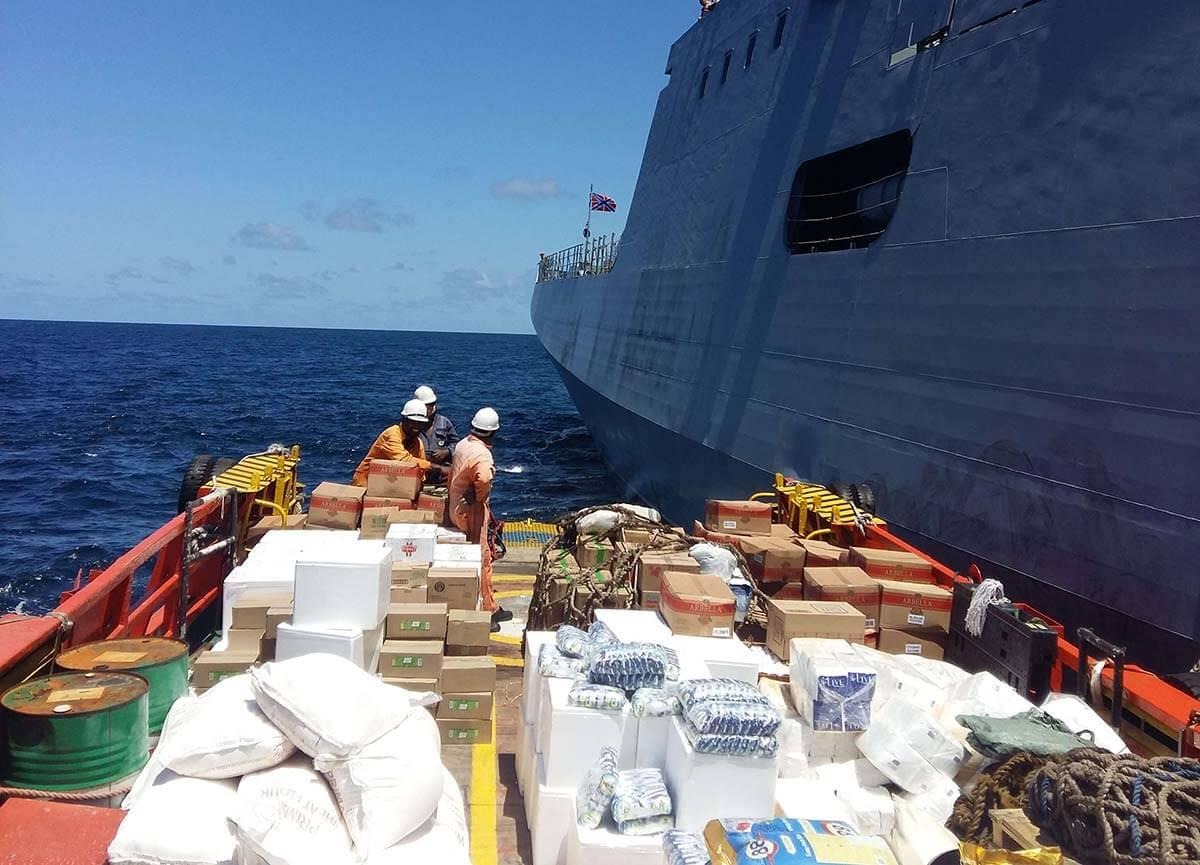
Utilizing launch boats and offshore supply vessels (OSVs) to conduct deliveries at outer anchorages allows vessels to:
In modern commercial shipping, reliability hinges on partners who understand the realities of local ports and the demands of international maritime compliance.
Pacific Work Force Services (PWFS) bridges this gap across regional waters. By combining responsive marine chandlery, certified technical sourcing, and seamless offshore logistics, PWFS ensures that every vessel leaves port fully provisioned, technically resilient, and ready for the long passage ahead.
Maritime headlines often center on fuel spreads, charter rates, and geopolitical choke points. Yet behind…
Turnaround time is the ultimate metric in commercial shipping. Every excess hour a vessel sits…
At Pacific Work Force Services Limited, we operate within the strict requirements of the Employment Act, Labour Institutions Act, Work Injury Benefits Act (WIBA), and all relevant statutory and regulatory frameworks. Through robust internal systems, biometric attendance tracking, real-time supervision, and automated payroll processing, we deliver operational excellence, governance integrity, and workforce safety.
Read More