8:00AM - 6:00PM
Monday to Saturday

Monday to Saturday
+254 737 866 594
Mombasa, Kenya

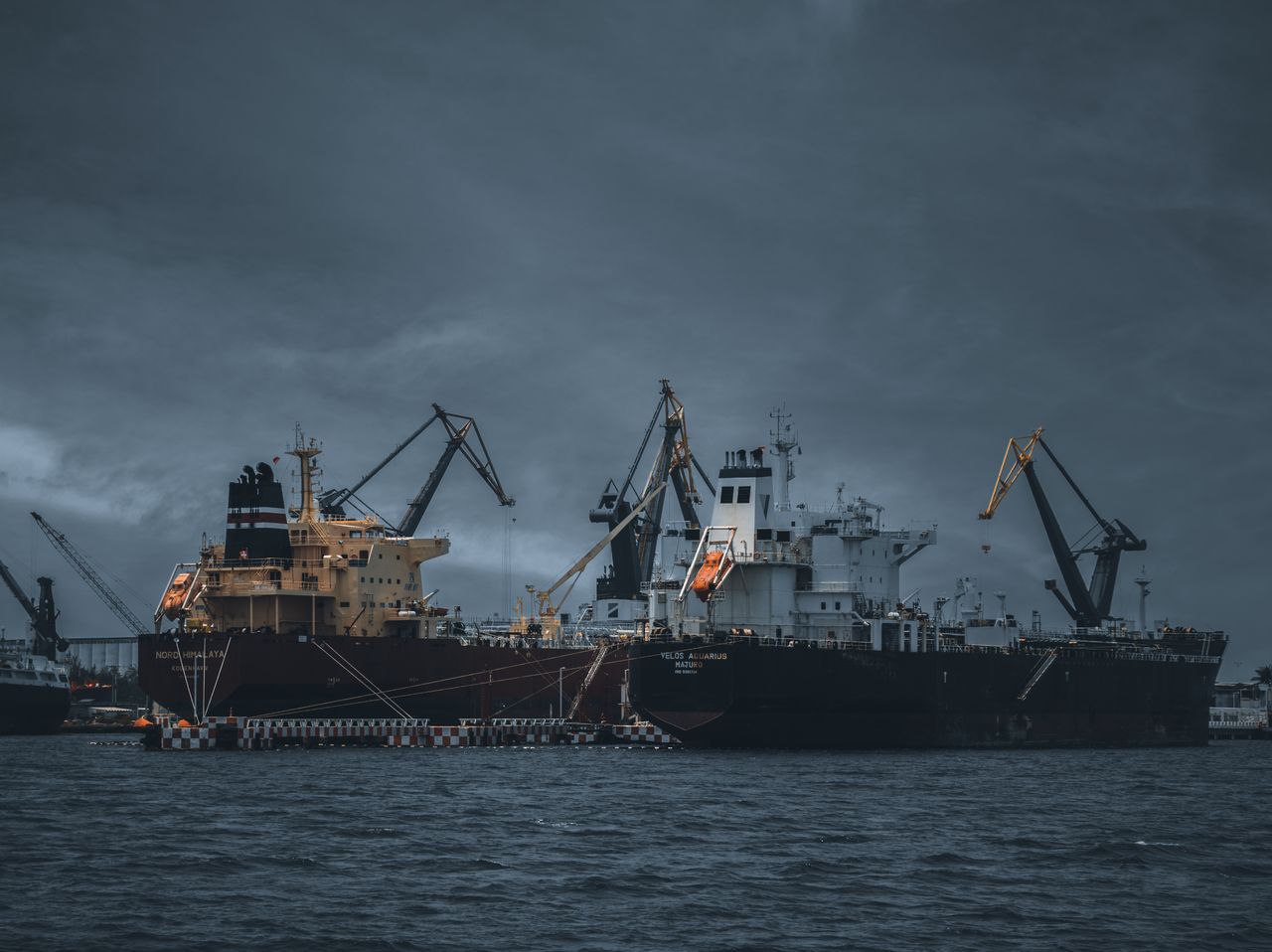

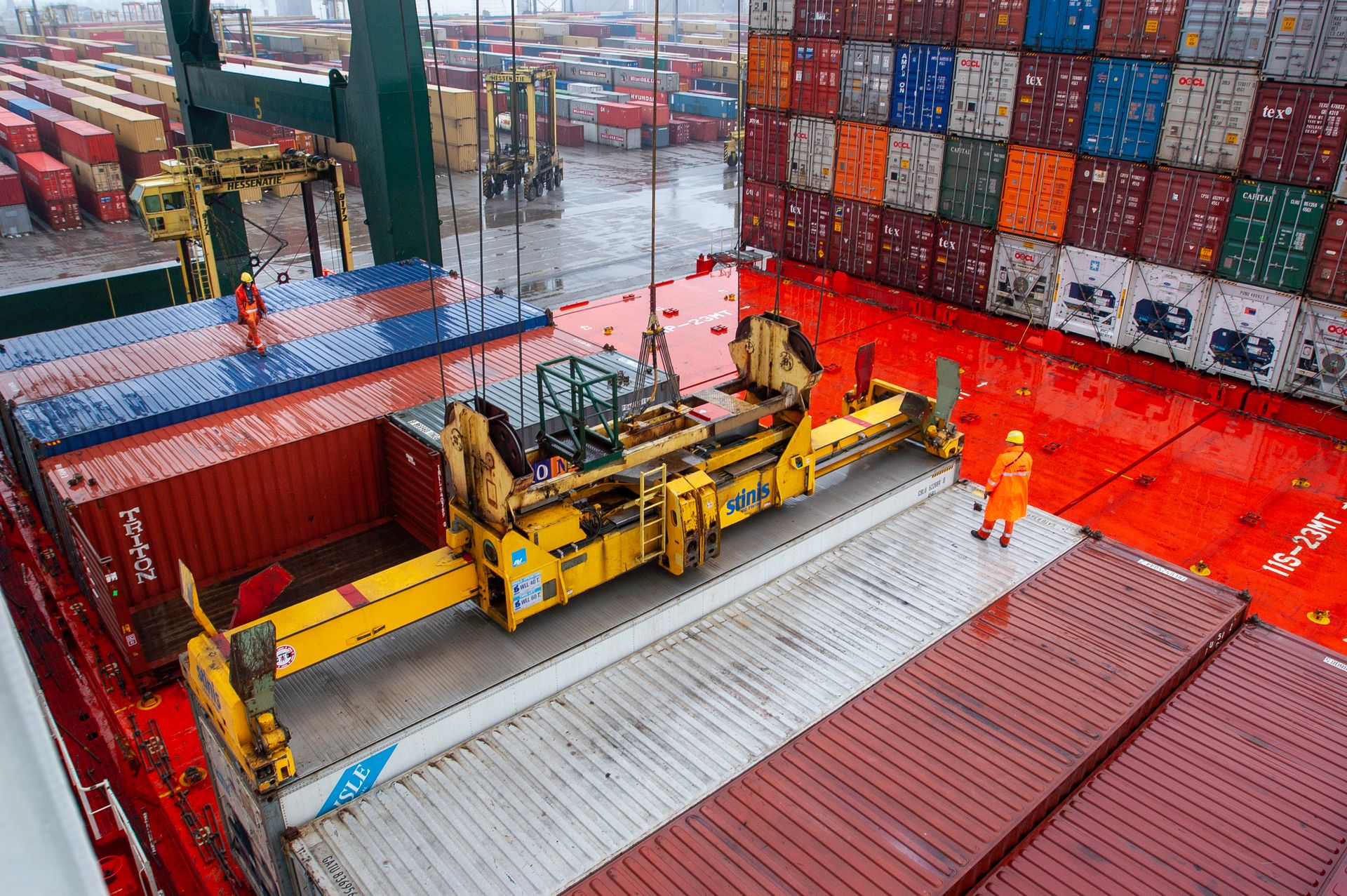
Turnaround time is the ultimate metric in commercial shipping. Every excess hour a vessel sits idle at berth or anchorage chips away at charter margins, drives up operational expenditure, and disrupts global scheduling chains.
For shipowners, charterers, and vessel managers navigating East African waters and international shipping corridors, port calls present a complex logistical puzzle. Securing qualified crew, replenishing provisions, managing bonded stores, and clearing technical spares often means juggling multiple disconnected vendors.
An integrated approach to port agency and maritime support services is shifting how operators protect their schedules and bottom line.
Traditionally, a port call requires coordinating between distinct entities:
When these operations run in silos, miscommunication is common. A customs delay on technical spares can miss a crew changeover window. A discrepancy in provision manifests can hold up clearance papers, delaying departure.
Consolidating these touchpoints under a single, accountable service partner transforms port calls from high-friction bottlenecks into smooth, predictable turnarounds.
Crew transfers demand strict adherence to international maritime conventions and domestic immigration regulations. Managing crew transitions requires end-to-end execution:
A dedicated maritime crewing team ensures off-signing mariners depart promptly while oncoming personnel board rested, certified, and ready for watch.
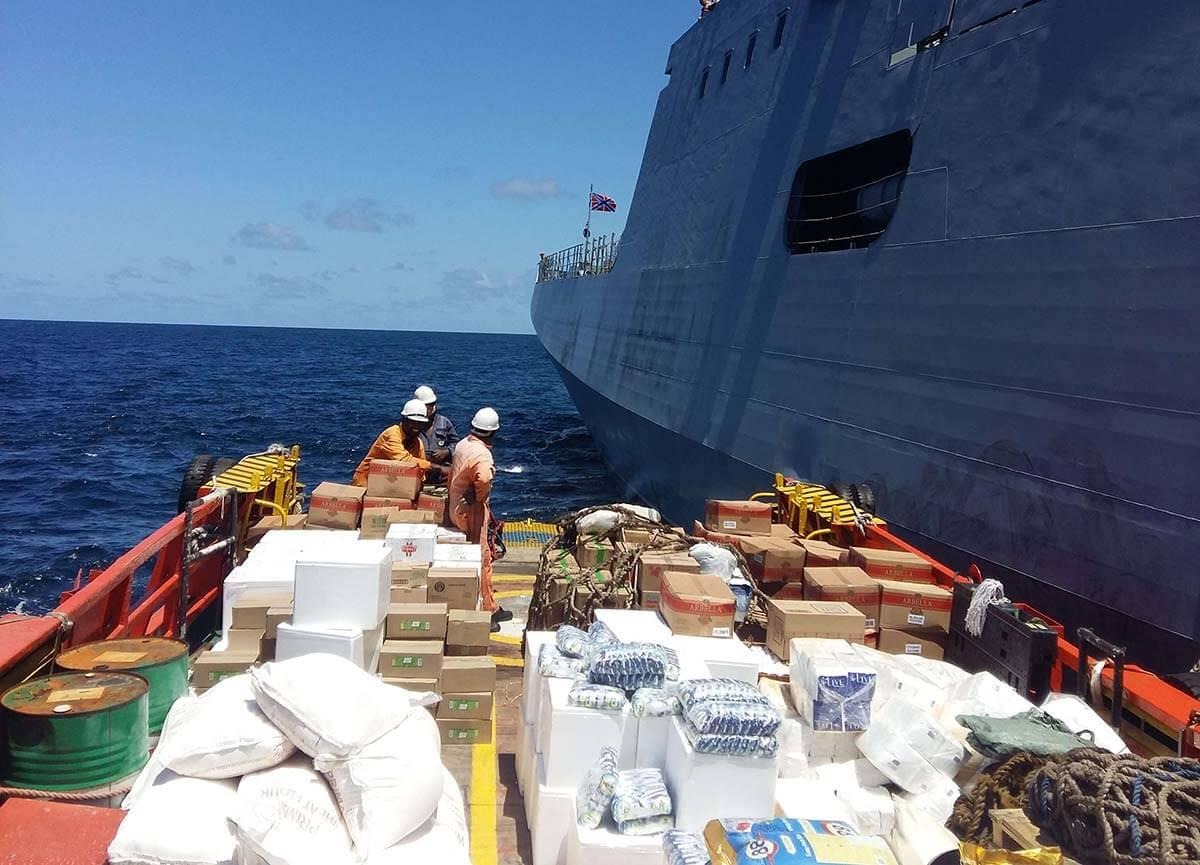
Ship chandlery extends beyond grocery delivery. It is a vital technical support link that ensures vessel seaworthiness, health compliance, and operational readiness.
By working with suppliers who understand maritime standards, vessel superintendents avoid the risk of substandard parts or rejected provisions.
When a vessel experiences machinery failure or scheduled maintenance at sea, replacement parts must arrive without customs red tape.
Modern maritime support delivers integrated “spares in transit” handling:
Centralizing this under one logistics arm ensures critical components clear the quayside the moment the gangway touches down.
In an era of tight freight rates, fluctuating bunker costs, and strict environmental regulations, operational efficiency within port boundaries is a vital competitive lever.
Partnering with an integrated logistics and marine support provider like Pacific Work Force Services (PWFS) eliminates vendor overlap, centralizes billing and accountability, and ensures your vessels maintain their scheduled rotations. When crewing, chandlery, and clearance work in unison, vessels stay where they belong: moving cargo on the water.
Maritime headlines often center on fuel spreads, charter rates, and geopolitical choke points. Yet behind…
Ongoing rerouting around the Cape of Good Hope and persistent security advisories across northern maritime…
At Pacific Work Force Services Limited, we operate within the strict requirements of the Employment Act, Labour Institutions Act, Work Injury Benefits Act (WIBA), and all relevant statutory and regulatory frameworks. Through robust internal systems, biometric attendance tracking, real-time supervision, and automated payroll processing, we deliver operational excellence, governance integrity, and workforce safety.
Read More